
Paulette and I used to subscribe to the National Geographic magazine. We had to cancel our subscription when our house started to sink from the weight of all the issues we had saved – just kidding. We enjoyed the articles, but we enjoyed the photography even more; some of the best photos were on the covers. In 1985 one of the covers had an immediate and emotional impact on both of us.
The cover was of a twelve year old Afghan girl, Sharbat Gula, living taken by  photographer Steve McCurry at the Nasir Bagh refugee camp in Pakistan. While she was a pretty girl, the impact came from her piercing green eyes that stared out of the photo and seemed to penetrate right through you. Many others reacted as we did, and it is considered one of National Geographic’s best loved covers. The emotions it raises in the viewer have been compared to those of viewers of the Mona Lisa.
In 2002 McCurry located Gula living in an extremely remote mountainous location in Afghanistan far from electricity, running water (they used water from a small stream), schools, medical care or any authorities. She was married with three daughters, but her husband was usually away trying to earn what little money he could. Over the years they had to move often to avoid the dangers of war, crossing into Pakistan several times. The years had not been kind to her, and even though she was only thirty or so, she had the face of an elderly woman. When I saw the pictures taken of her at the time, I thought how fleeting earthly things can be, and I was reminded of Isaiah 40:6-7 “All people are like grass, and all their faithfulness is like the flowers of the field. The grass withers and the flowers fall.”
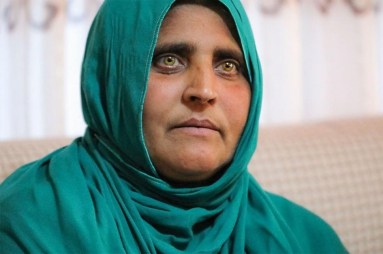
When I started this blog, I was going to end there, but then I needed to check some facts and in the process learned something new. In December, 2016 the now widowed Gula was arrested in Pakistan for having forged papers. She was sentenced to 14 days in prison and then deported to Afghanistan. A while after arriving in Pakistan her story became known, and with public support the government gave her and her daughters a house and medical care. The picture below is of her today and she looks much better now in her mid-forties than she did at thirty. After reading this I believe now that her story is one of hope. Even though it’s likely we will have hard times, pain and suffering, we still need to have faith in the God who loves us unconditionally.
Jim
 Joy Lutheran Church Ocala, Florida